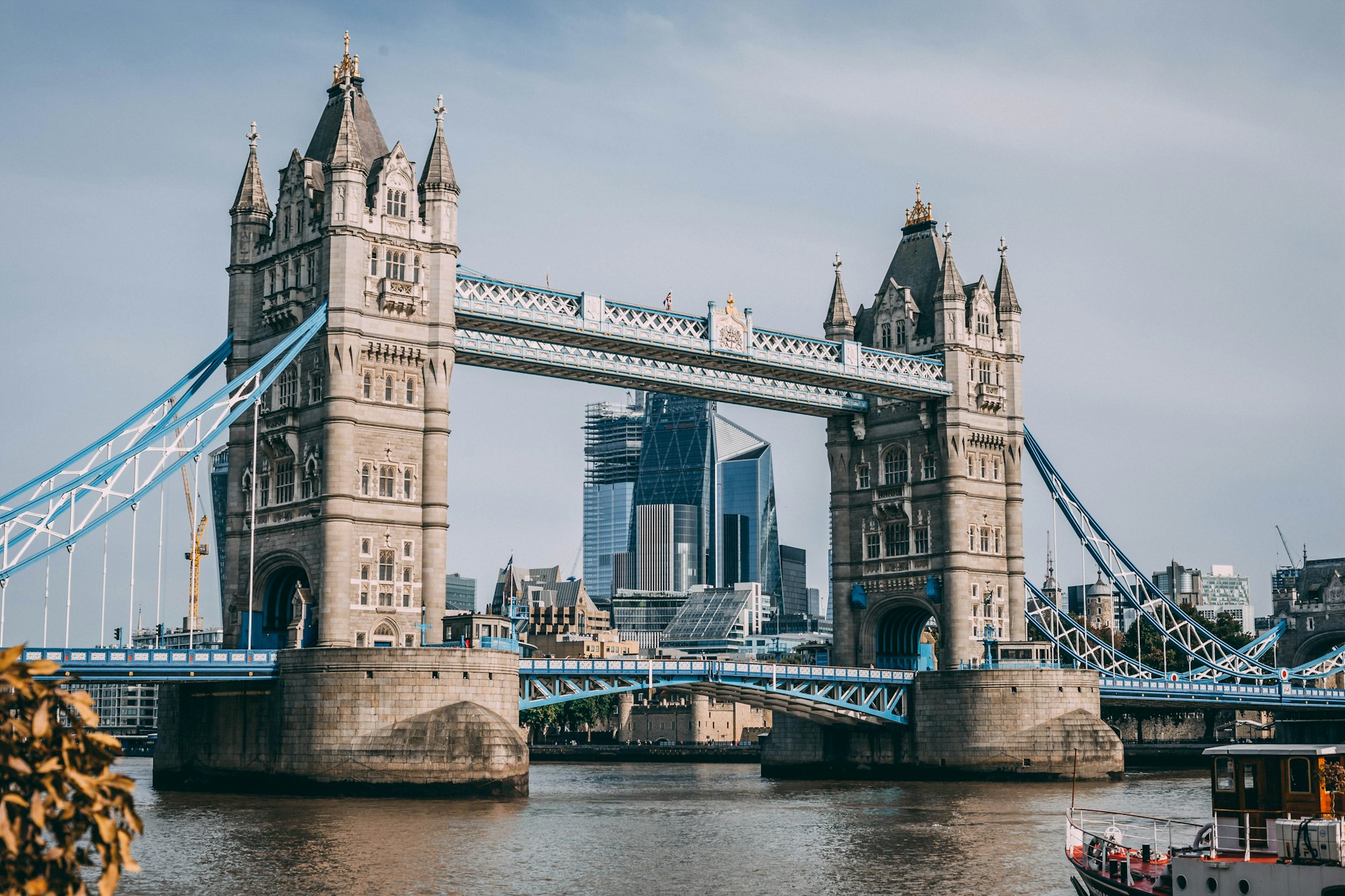
Urban Rewilding: Bringing Nature Back to the Concrete Jungle
Shihab Uddin
February 25, 2026
The distinction between "city" and "nature" is rapidly dissolving. As we enter the second half of the decade, urban planning has pivoted from strictly functional to biophilic—designing cities as living ecosystems that welcome life back into the reach of the concrete jungle.
The Rise of Pocket Forests
Using the Miyawaki method, cities are planting dense, native forests in spaces as small as a tennis court. These "pocket forests" grow ten times faster and are thirty times denser than traditional plantations. They act as air filters, noise buffers, and crucial stepping stones for urban wildlife, including endangered pollinators like the Blue Mason Bee.
Living Facades and Green Arks
Modern skyscrapers are no longer just glass and steel. They are becoming "Green Arks"—vertical ecosystems that host thousands of plants and support nesting birds. These living facades don't just look beautiful; they reduce the "Urban Heat Island" effect, lowering city temperatures by up to 5°C during summer heatwaves. The cooling effect of one large tree is equivalent to ten room-sized air conditioners running 20 hours a day.
The Human Benefit
Rewilding isn't just for the birds and bees. Studies in 2025 showed that residents in rewilded neighborhoods reported 25% lower stress levels and a significant increase in community cohesion. When people have access to green space within a 5-minute walk of their front door, health outcomes improve across every demographic.
"We don't just build cities to live in; we build them to thrive with. Nature isn't an amenity; it's our life support system."
Implementing Local Change
At EcoSpark, we've supported five local rewilding projects this month. From converting abandoned parking lots into community meadows to installing bird-safe window coatings in downtown areas, our members are proving that you don't need a national budget to make a city breathe again. Every square meter of soil we uncover is a victory for the planet.
As we look toward 2027, the goal is "Nature-Positive Cities"—urban centers that actually contribute more to the environment than they take from it. It's a bold vision, but in the streets of Milan, Paris, and Tokyo, it's already becoming a reality.

Ready to Join?
Join thousands of teams building intelligent impact with EcoSpark. Get started today.
Continue Reading
More insights from the EcoSpark community.
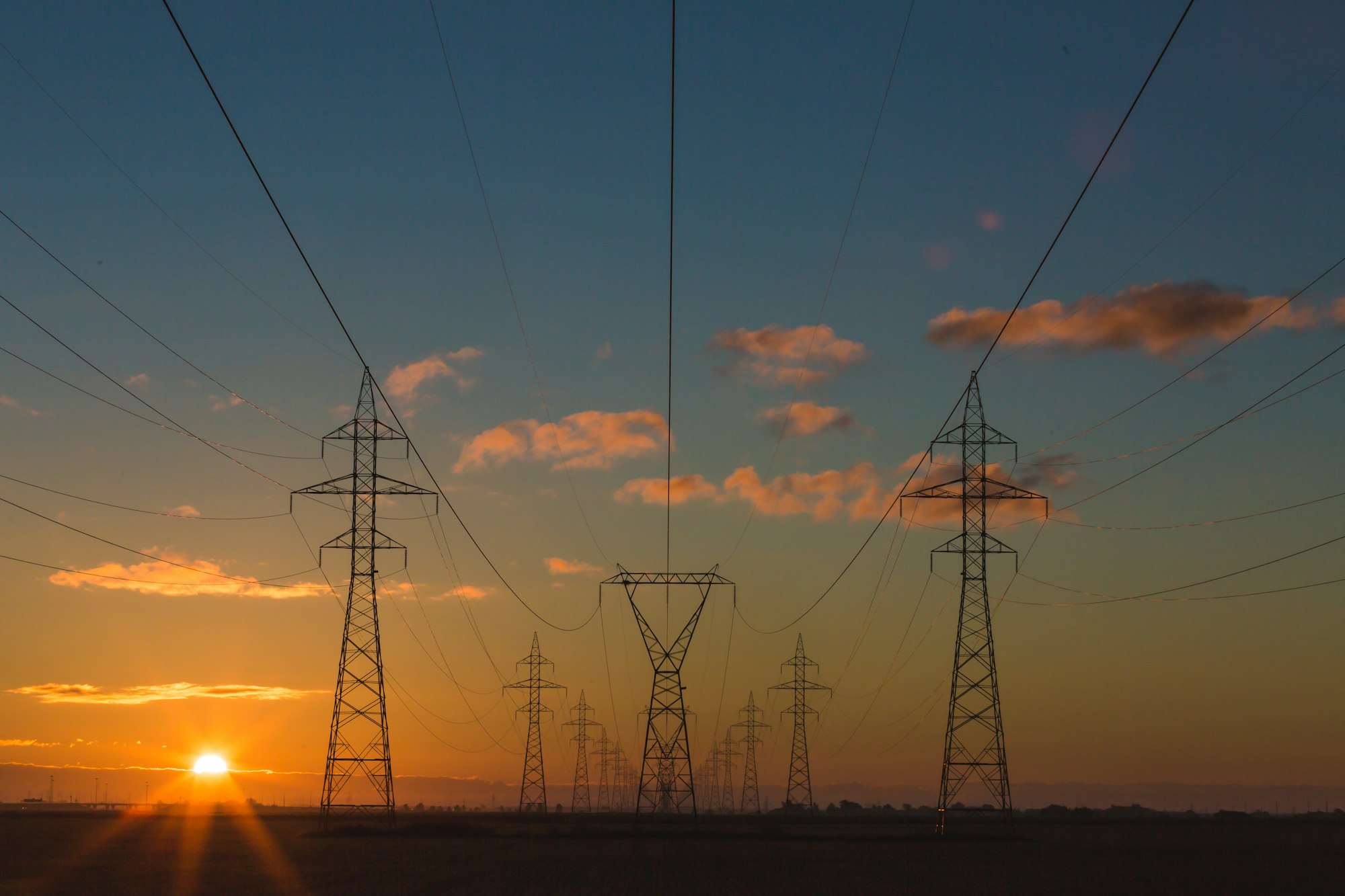
10 Green Technologies Transforming 2026
From biodegradable polymers to decentralized solar grids, these ten innovations are setting the standard for the next decade of sustainable tech.
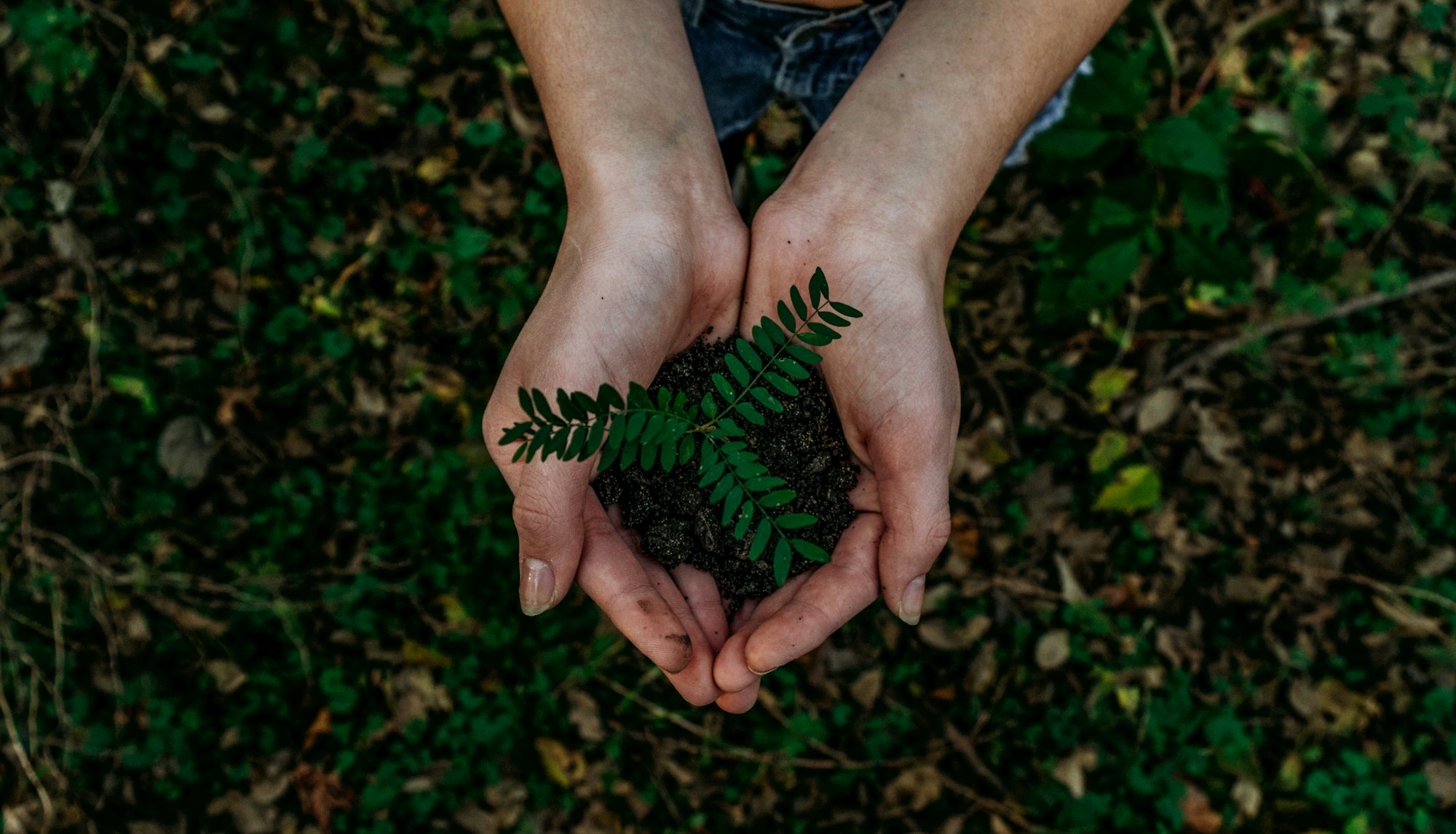
How Community-Funded Ideas Outperform Corporate Sustainability
When the power is given back to the people, we see faster implementation and more diverse solutions. A deep dive into grassroots green funding.

The Ultimate Guide to Designing an Eco-Friendly Smart Home
Learn how to retrofit your house with sustainable materials, smart energy monitoring, and water-recycling systems with this comprehensive blueprint.