10 Green Technologies Transforming 2026
Shihab Uddin
March 20, 2026
The year 2026 marks a pivotal moment in the global transition toward sustainability. As climate challenges intensify, so too does the human spirit of innovation. We are no longer just dreaming of a greener future; we are building it with precision and purpose. The technologies we once considered "science fiction" are now the backbone of our daily lives.
1. Advanced Biodegradable Polymers
Traditional plastics are becoming a relic of the past. New polymers derived from seaweed and fungal mycelium are now matching the durability of petroleum-based plastics while being fully home-compostable. These materials aren't just breaking down; they are nourishing the soil as they decompose, creating a truly regenerative cycle for our consumer goods.
2. Decentralized Solar Grids
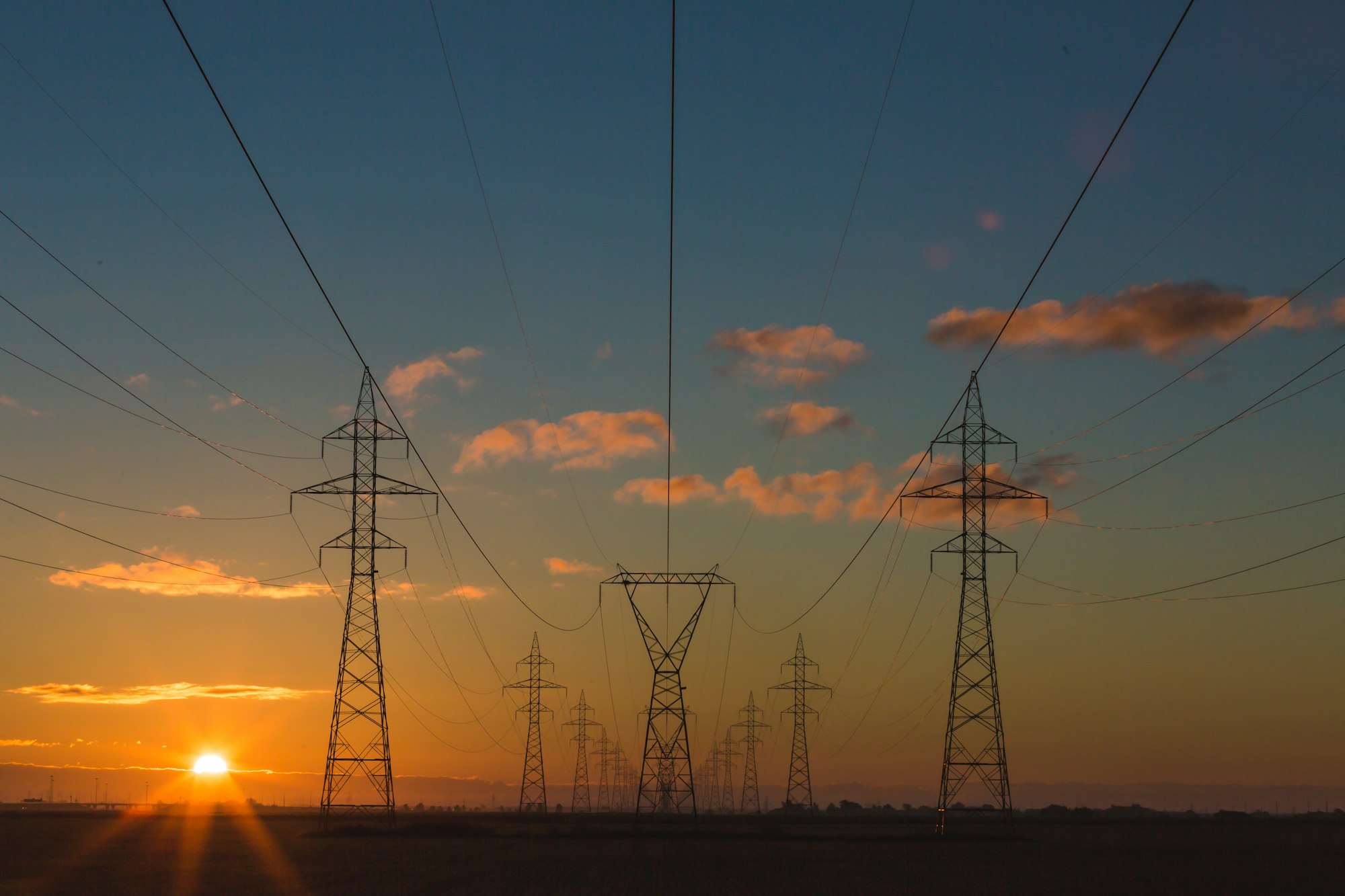
The era of the massive, centralized power plant is fading. Neighborhood-level solar grids equipped with Next-Gen AI management systems are allowing communities to generate, store, and trade energy peer-to-peer with 99.9% efficiency. If your house has excess power at 2 PM, your neighbor's electric vehicle can charge using that surplus automatically, tracked by secure blockchain ledgers.
3. Carbon-Negative Concrete
Urbanization is inevitable, but its footprint is not. New concrete formulations are actually absorbing CO2 from the atmosphere during the curing process, turning every new skyscraper into a carbon sink. Scientists have estimated that if we implement this globally by 2030, the construction industry could shift from being a top polluter to a primary tool for atmospheric restoration.
4. Vertical Hydroponic Arteries
Imagine harvesting your dinner from the side of your apartment building. Vertical farming has moved beyond pilot projects into "Hydroponic Arteries" that run through the core of modern urban architecture, providing fresh, pesticide-free produce with 95% less water than traditional agriculture.
"Innovation isn't just about doing new things; it's about doing old things in a way that respects the boundaries of our planet."
These technologies are not just theoretical concepts in a lab; they are being deployed in cities like Singapore, Copenhagen, and Kigali as we speak. The EcoSpark community has already funded three startups working in these very sectors, showing that the power of the crowd is the fastest driver of change.
5. AI-Optimized Waste Sorting
Gone are the days of manually sorting through recyclables. Hyperspectral imaging combined with robotic sorting arms can now distinguish between different types of resins and alloys with near-perfect accuracy, ensuring that high-purity materials are returned to the manufacturing loop.
As we look forward to the remainder of 2026, the focus is shifting from "minimizing damage" to "active healing." We are entering the era of the Restoration Economy, where profit is derived from how much life we bring back to the biosphere.

Ready to Join?
Join thousands of teams building intelligent impact with EcoSpark. Get started today.
Continue Reading
More insights from the EcoSpark community.
How Community-Funded Ideas Outperform Corporate Sustainability
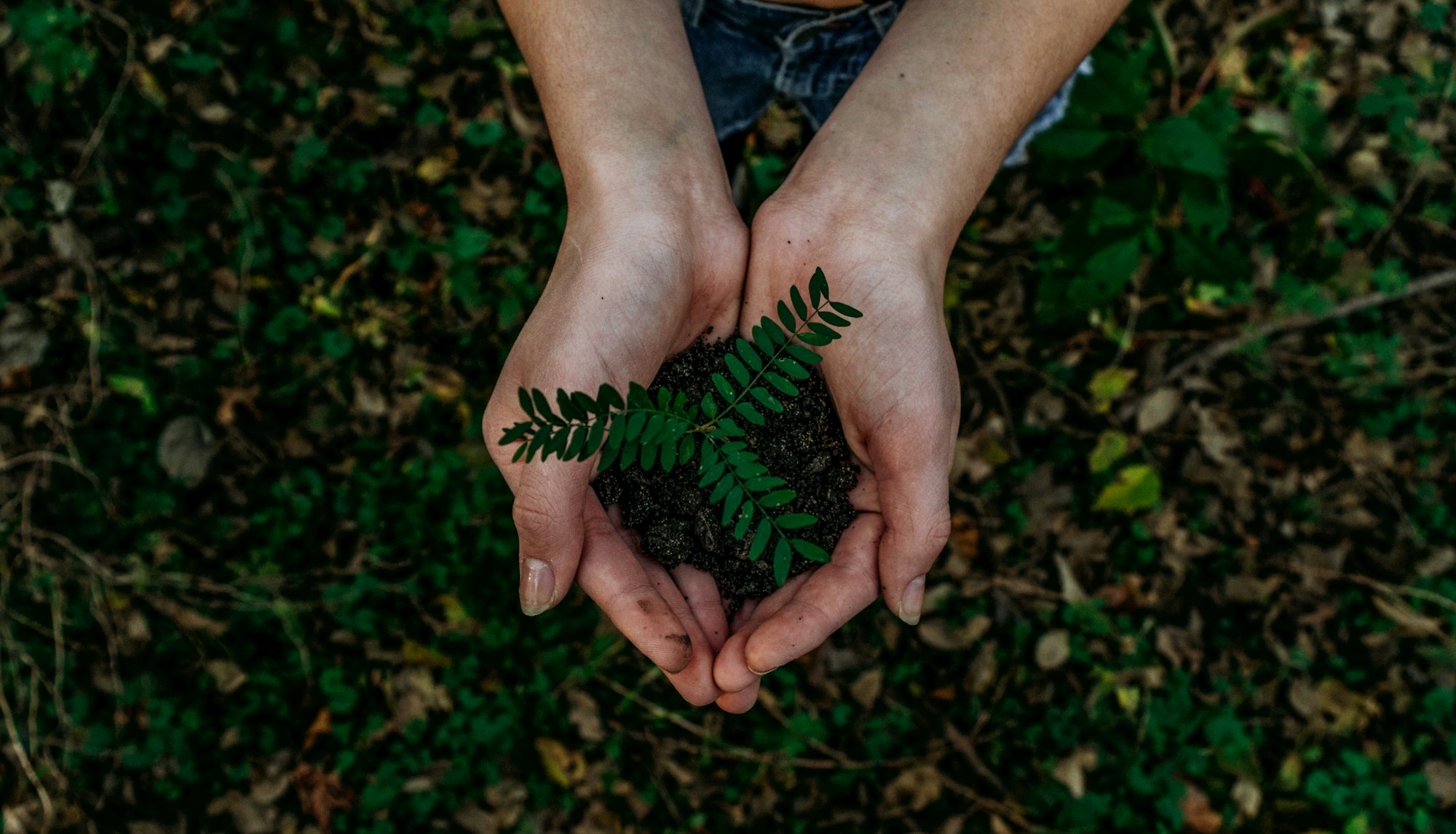
When the power is given back to the people, we see faster implementation and more diverse solutions. A deep dive into grassroots green funding.

The Ultimate Guide to Designing an Eco-Friendly Smart Home
Learn how to retrofit your house with sustainable materials, smart energy monitoring, and water-recycling systems with this comprehensive blueprint.

Reforestation AI: Mapping the Lungs of the Planet
How satellite imagery and machine learning are identifying the best locations for new forests and monitoring their growth in real-time.